

Best Time to Go on the Ghorepani Poon Hill Trek
- soleencounters
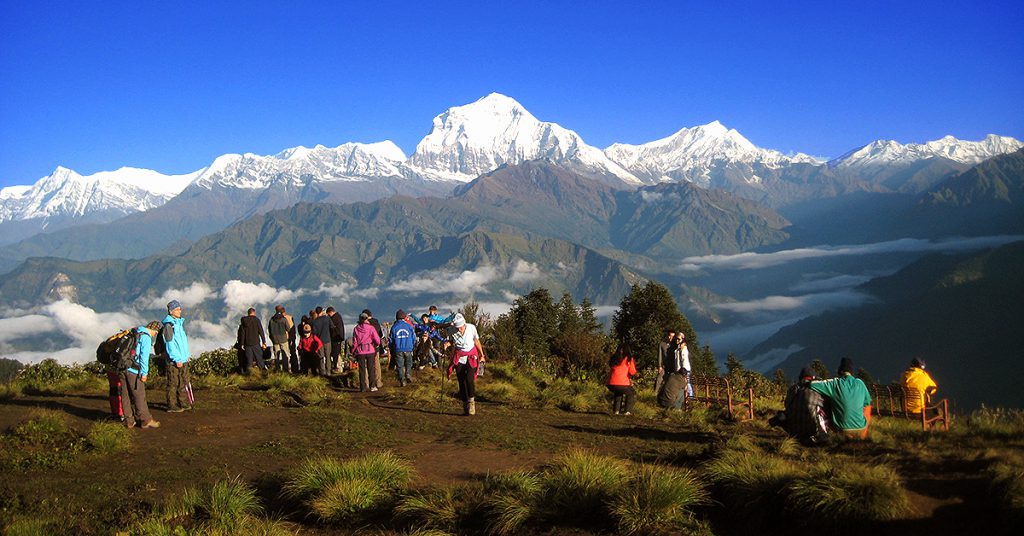
The Ghorepani Poon Hill Trek is one of Nepal’s most popular short treks, famous for its breathtaking sunrise views over the Annapurna and Dhaulagiri ranges. This classic route takes trekkers through charming Gurung and Magar villages, lush rhododendron forests, and well maintained mountain trails, making it an ideal choice for beginners as well as experienced hikers with limited time. The highlight of the trek is the early morning hike to Poon Hill, where golden light slowly reveals some of the most iconic Himalayan peaks.
Table of Contents
While the trek itself is accessible throughout the year, choosing the right season plays a major role in shaping your overall experience. Weather conditions directly affect mountain visibility, trail comfort, and even safety. Clear skies offer stunning panoramic views, while unfavorable weather can mean clouds, rain, or cold mornings that limit what you see from the viewpoint. Comfort on the trail also varies by season, with temperature, crowd levels, and trail conditions changing significantly across the year.
Understanding the Best Time to Go on the Ghorepani Poon Hill Trek helps you plan a journey that matches your expectations, whether you are looking for clear mountain views, colorful landscapes, quieter trails, or pleasant walking conditions. In this guide, you will learn about the best seasons and months to trek, how weather changes throughout the year, and which time suits different trekking preferences. By the end, you will be able to confidently decide when to go for the most rewarding Poon Hill trekking experience.
Quick Overview: Best Time at a Glance
If you are looking for a quick summary before diving into the details, this section highlights the most suitable times to plan your trek based on different travel goals. The Ghorepani Poon Hill Trek can be enjoyed in several seasons, but each period offers a slightly different experience in terms of weather, scenery, crowd levels, and overall comfort.
Best overall season:
Spring (March to May) and autumn (September to November) are widely considered the best overall seasons. During these months, the weather is stable, temperatures are pleasant, and the trails are in excellent condition, making the trekking experience comfortable and rewarding.
Best months for clear mountain views:
October and November, followed closely by March and April, offer the clearest skies and the most reliable panoramic views from Poon Hill. These months are ideal for witnessing dramatic sunrise scenes over the Annapurna and Dhaulagiri ranges.
Best time for rhododendron blooms:
Late March to early May is the peak period for rhododendron flowers. Forests along the trail come alive with red, pink, and white blossoms, adding vibrant color to the trek.
Best time for fewer crowds:
Late winter (February) and early monsoon (June) tend to be quieter, offering a more peaceful trekking experience with fewer hikers on the trail.
Best time for budget travelers:
The off season, particularly the monsoon months from June to August, often comes with lower accommodation costs and flexible services.
Overall, understanding the Best Time to Go on the Ghorepani Poon Hill Trek allows you to balance scenery, comfort, and budget according to your travel preferences.
Spring Season (March to May)
Spring is one of the most popular and rewarding times to experience the Ghorepani Poon Hill Trek. During this season, the weather is generally mild and stable, with daytime temperatures ranging from comfortable to pleasantly warm at lower elevations, while mornings and evenings remain cool. These balanced conditions make long walking days enjoyable without extreme heat or cold.
Trail conditions in spring are excellent. Paths are mostly dry and well defined, allowing for smooth and safe trekking. As winter snow melts, the landscape gradually becomes greener, creating a fresh and lively atmosphere along the route. One of the biggest highlights of trekking in spring is the rhododendron bloom. From late March to April, the forests around Ghorepani and Tadapani burst into vibrant shades of red, pink, and white, transforming the trail into a colorful natural corridor.
Visibility during spring is generally very good, especially in the early mornings. Sunrise views from Poon Hill often reveal clear panoramas of Annapurna South, Machhapuchhre, and Dhaulagiri, though occasional afternoon haze can appear later in the season. Due to its ideal conditions, spring attracts a higher number of trekkers, particularly in April, making it one of the busier periods on the trail.
The main advantages of spring include pleasant weather, colorful scenery, and reliable mountain views. On the downside, popular lodges can fill up quickly, and trails may feel crowded during peak weeks. Overall, spring remains one of the Best Time to Go on the Ghorepani Poon Hill Trek, especially for those seeking natural beauty and comfortable trekking conditions.
Summer / Monsoon Season (June to August)
The summer or monsoon season brings a very different experience to the Ghorepani Poon Hill Trek. From June to August, Nepal receives regular rainfall, especially in the afternoons and evenings. Daytime temperatures are warm, generally ranging from 18°C to 25°C, while humidity levels are high. The rain helps cool the air but can make trekking feel more demanding due to moisture and heat.
Trail conditions during this season can be challenging. Frequent rain often makes paths muddy and slippery, particularly on stone staircases. Leeches are common in forested sections, especially after rainfall, so proper clothing and awareness are important. While these conditions require extra caution, the trails are still manageable for trekkers who are well prepared and flexible with their schedule.
Cloud cover is one of the main drawbacks of trekking during monsoon. Mountain views and sunrise visibility from Poon Hill are less predictable, as clouds often form overnight and early in the morning. However, on clear days, the scenery can still be rewarding. One major advantage of this season is the lush green landscape. Hills, forests, and terraced fields appear fresh and vibrant, offering a unique visual experience compared to drier months.
Fewer trekkers choose this time, resulting in quieter trails and more relaxed teahouse stays. For travelers seeking solitude and lower costs, this can be appealing.
When considering the Best Time to Go on the Ghorepani Poon Hill Trek, summer suits budget travelers and those who value greenery and peaceful surroundings, but it may not be ideal for guaranteed mountain views.
Pros: fewer crowds, lush scenery, lower costs
Cons: rain, slippery trails, limited visibility
Autumn Season (September to November)
Autumn is widely regarded as the most popular and reliable time for trekking in Nepal, and the Ghorepani Poon Hill Trek is no exception. This season offers stable weather, clear skies, and comfortable temperatures, creating ideal conditions for both walking and sightseeing. Daytime temperatures are pleasant, while mornings and evenings remain cool but manageable, especially at higher points like Poon Hill.
One of the biggest advantages of autumn is the exceptional mountain visibility. After the monsoon rains clear the atmosphere, the Annapurna and Dhaulagiri ranges appear sharp and dramatic. Sunrise views from Poon Hill during October and November are often spectacular, with golden light illuminating snow covered peaks under cloud free skies. This makes autumn a favorite season for photographers and first time trekkers alike.
Trail conditions are generally dry, well defined, and safe throughout the route. Teahouses operate at full capacity, offering reliable accommodation and food options along the trail. In addition to natural beauty, autumn also brings a festive atmosphere to Nepal. Major festivals like Dashain and Tihar fall during this period, allowing trekkers to experience local culture, traditions, and celebrations in mountain villages.
Due to these ideal conditions, autumn is also the busiest season. Popular months such as October can see crowded trails and packed teahouses, especially around Ghorepani and Poon Hill.
Pros:
-
Clear skies and excellent mountain views
-
Stable weather and comfortable trekking conditions
-
Cultural festivals and lively villages
Cons:
-
Higher number of trekkers
-
Slightly higher costs for accommodation and services
Overall, autumn strongly defines the Best Time to Go on the Ghorepani Poon Hill Trek for trekkers seeking perfect weather, clear views, and a vibrant trekking experience.
Winter Season (December to February)
Winter offers a quieter and more peaceful trekking experience on the Ghorepani Poon Hill route, making it appealing for travelers who prefer solitude and crisp mountain air. During this season, daytime temperatures are generally cool and comfortable at lower elevations, while mornings and nights can be very cold, especially around Ghorepani and Poon Hill. At higher points, temperatures often drop below freezing, so warm clothing is essential.
There is a possibility of snowfall during winter, particularly in January and February. Light snow can enhance the beauty of the trail and viewpoints, but heavy snowfall may temporarily block paths or make early morning hikes slippery. Trekkers should stay flexible with plans and check local weather conditions before heading to Poon Hill.
The sunrise experience in winter can be truly magical. On clear mornings, the cold air often results in sharp visibility, allowing unobstructed views of Annapurna South, Machapuchare, and Dhaulagiri glowing in soft golden light. However, occasional fog or clouds may delay or limit visibility on some days.
Accommodation remains available throughout winter, though some smaller teahouses may close during colder weeks. Larger lodges usually stay open and offer cozy dining areas with heating. Crowd levels are significantly lower compared to spring and autumn, creating a calm trekking atmosphere.
Pros include fewer trekkers, clear skies on good days, and a peaceful environment. Cons involve cold temperatures, potential snow, and limited services in some villages. Choosing winter carefully helps determine the Best Time to Go on the Ghorepani Poon Hill Trek based on comfort and experience preferences.
Month-by-Month Weather Breakdown
Understanding monthly weather patterns helps trekkers choose the most suitable time based on visibility, comfort, and crowd levels. Below is a clear month by month overview to help you decide the Best Time to Go on the Ghorepani Poon Hill Trek based on your preferences.
January: Cold mornings and nights with possible snow at higher points. Visibility is usually clear, crowds are low, suitable for well prepared trekkers.
February: Slightly warmer than January, occasional snow remains. Good visibility and fewer trekkers make it a decent shoulder month.
March: Mild temperatures and improving weather. Rhododendrons begin to bloom, visibility improves, crowds start increasing. Very suitable for trekking.
April: Warm days, excellent scenery with full rhododendron bloom. Clear views and high comfort, but trails can be busy.
May: Warmer temperatures with some haze in the afternoons. Good visibility in mornings, moderate crowds, still suitable for trekking.
June: Start of monsoon with increasing rainfall and humidity. Visibility decreases, fewer trekkers on the trail, suitable for budget focused or experienced hikers.
July: Heavy rainfall and cloudy conditions. Lush green landscapes but limited mountain views, very low crowd levels.
August: Continued monsoon conditions. Trails can be muddy, visibility remains poor, suitable only for off season trekkers.
September: Monsoon fades, weather improves gradually. Visibility increases, trails recover, crowd levels begin to rise.
October: Stable weather, crisp air, and outstanding mountain views. Peak trekking month with high crowds and excellent conditions.
November: Cool temperatures and very clear skies. Ideal sunrise views, moderate crowds, highly suitable for trekking.
December: Cold but dry weather. Clear visibility, light snowfall possible, fewer trekkers, suitable with proper winter gear.
Best Time Based on Trekker Preferences
Choosing the Best Time to Go on the Ghorepani Poon Hill Trek often depends on what kind of experience you want from the journey. Different seasons suit different trekking styles, expectations, and budgets. Below is a preference based breakdown to help you decide the most suitable time for your trek.
Best Time for Clear Mountain Views
Autumn, especially October and November, offers the clearest skies and sharp mountain visibility. Spring months like March and April also provide excellent views, though occasional haze can appear in the afternoons.
Best Time for Rhododendron Blooms
Late March to early May is the best time to see rhododendron forests in full bloom. The colorful trails make spring one of the most visually appealing seasons for nature lovers.
Best Time to Avoid Crowds
February and the early monsoon months of June are quieter compared to peak seasons. These periods are ideal if you prefer peaceful trails and less busy teahouses.
Best Time for Photography
October, November, and April are perfect for photography thanks to clear mornings, dramatic sunrise light at Poon Hill, and well lit mountain landscapes.
Best Time for Budget Travelers
June to August is generally the most budget friendly time. Fewer trekkers mean more flexible accommodation options and lower overall trekking costs.
Best Time for First Time Trekkers
Spring and autumn are highly recommended for first time trekkers due to stable weather, comfortable temperatures, and reliable trail conditions, making the overall experience safer and more enjoyable.
Understanding these preferences helps you select the season that best matches your goals and ensures a memorable Ghorepani Poon Hill trekking experience.
Weather and Temperature on the Ghorepani Poon Hill Trek
Understanding the weather and temperature patterns is essential when planning the Best Time to Go on the Ghorepani Poon Hill Trek. The trail experiences a wide range of temperatures and conditions depending on the season, altitude, and time of day, which can significantly impact your comfort and trekking experience.
Daytime vs nighttime temperatures:
During the day, temperatures on the lower trails remain pleasantly cool, ranging from 15°C to 25°C in spring and autumn, making trekking comfortable. However, as you climb to higher points like Poon Hill (3,210 meters), it can get noticeably colder, especially in the early mornings. Nighttime temperatures often drop below 5°C in spring and autumn, and can fall close to freezing in winter months.
Temperature differences by season:
Spring (March to May) and autumn (September to November) offer the most moderate temperatures, making them ideal for trekking. Summer or monsoon (June to August) brings high humidity and warmer temperatures, while winter (December to February) is cold, with frost and occasional snow on higher sections.
Wind and early morning conditions at Poon Hill:
Early mornings, especially at Poon Hill for sunrise views, can be quite chilly with strong winds. Trekkers should prepare with warm layers, hats, and gloves to stay comfortable while enjoying the panoramic Himalayan vistas.
By understanding the weather and temperature variations, trekkers can plan clothing, gear, and trekking times effectively, ensuring a safer and more enjoyable experience on the Ghorepani Poon Hill trail. This knowledge helps you pick the Best Time to Go on the Ghorepani Poon Hill Trek according to your comfort and trekking goals.
Trail Conditions and Safety by Season
When planning the Best Time to Go on the Ghorepani Poon Hill Trek, understanding trail conditions and seasonal safety is crucial for a smooth and enjoyable experience. The trek passes through varied terrains, from forested paths to rocky ascents, and conditions change significantly throughout the year.
Muddy trails in monsoon (June to August):
During the monsoon season, heavy rainfall can make trails slippery and muddy. Small streams along the route may swell, and leeches are common in forested areas. Trekkers are advised to wear sturdy waterproof boots and trekking poles for stability.
Snow and ice in winter (December to February):
Winter brings cold temperatures and occasional snow at higher altitudes like Poon Hill. Trails can become icy and require extra caution. Trekking during this time demands warm clothing, proper footwear, and sometimes crampons for safer footing.
Dry and stable paths in spring and autumn (March to May, September to November):
Spring and autumn offer the most stable conditions. Trails are dry, well-maintained, and easier to navigate, making these seasons the most suitable for beginners and first-time trekkers.
General safety tips:
Regardless of the season, trekkers should always carry enough water, wear appropriate footwear, start early to avoid afternoon fatigue, and check local weather updates. It’s also advisable to trek with a guide or group, especially in less crowded months.
By knowing the seasonal trail conditions, you can choose the Best Time to Go on the Ghorepani Poon Hill Trek that ensures both safety and an enjoyable trekking experience.
Crowds and Trekking Experience Throughout the Year
The number of trekkers on the Ghorepani Poon Hill trail varies greatly throughout the year, making it an important factor when deciding the Best Time to Go on the Ghorepani Poon Hill Trek. Understanding crowd patterns can help you plan for a more enjoyable and personalized trekking experience.
Peak months:
Spring (March to May) and autumn (September to November) are the busiest times on the trail. During these months, the weather is stable, skies are clear, and mountain views are spectacular, attracting both international and local trekkers. Expect crowded teahouses and more social interaction along the route.
Shoulder seasons:
Late winter (February) and early summer (June) are considered shoulder periods. The trail sees fewer trekkers, giving a more tranquil experience while still offering decent views and reasonable weather conditions.
Off-season experience:
The monsoon months (July and August) are the quietest, with significantly fewer trekkers. While the trail is lush and green, heavy rains and slippery paths may pose challenges. Trekkers during this time enjoy solitude but should be prepared for wet conditions and limited amenities.
Impact on teahouses and services:
Crowds directly affect accommodation availability and service quality. During peak months, teahouses can be fully booked, while in off-season, some may be closed or offer limited services. Planning ahead is crucial to ensure comfort and convenience.
By considering crowd levels and seasonal trekking conditions, you can select the Best Time to Go on the Ghorepani Poon Hill Trek that matches your preferences for scenery, comfort, and solitude.
Packing Tips Based on the Season
Packing appropriately for the Ghorepani Poon Hill Trek is essential to ensure comfort, safety, and an enjoyable experience. The Best Time to Go on the Ghorepani Poon Hill Trek influences what you should carry, as weather and trail conditions vary significantly throughout the year.
Spring packing essentials (March to May):
Spring offers mild temperatures and blooming rhododendron forests. Lightweight trekking clothes with layered options are ideal. Include a warm jacket for early mornings, a hat, sunglasses, and sunscreen. Comfortable trekking boots and a small daypack are essential for daily essentials.
Monsoon gear (June to August):
Monsoon brings heavy rainfall and slippery trails. Waterproof jackets and pants, quick-dry clothing, and a durable rain cover for your backpack are necessary. Waterproof trekking boots and gaiters help protect your feet, and trekking poles improve stability on muddy paths. Carry insect repellent to deal with leeches in forested areas.
Autumn trekking clothing (September to November):
Autumn has clear skies and moderate temperatures. Layered clothing works best, including a fleece or light jacket for early mornings. Sunglasses, hats, and sunscreen remain important, while standard trekking boots and walking sticks provide comfort on rocky terrain.
Winter cold-weather essentials (December to February):
Winter trekking requires warm and insulated clothing due to cold temperatures and possible snow. Heavy jackets, thermal layers, gloves, hats, and warm socks are essential. Waterproof boots and crampons may be needed for icy trails, and a sleeping bag suitable for sub-zero temperatures can be helpful in higher teahouses.
Proper packing according to the season ensures a safer and more enjoyable experience, helping trekkers make the most of the Best Time to Go on the Ghorepani Poon Hill Trek.
Festivals and Cultural Experiences by Season
One of the unique aspects of the Ghorepani Poon Hill Trek is the opportunity to experience Nepal’s vibrant culture along the trail. Knowing the seasonal festivals and local customs can enhance your journey and help you choose the Best Time to Go on the Ghorepani Poon Hill Trek based on cultural experiences.
Dashain and Tihar (autumn):
Autumn coincides with Nepal’s biggest festivals, Dashain (September–October) and Tihar (October–November). During this time, villages along the trail come alive with decorations, traditional rituals, and celebrations. Trekkers visiting during these months can witness authentic Nepali culture, enjoy festival foods, and experience the joyful atmosphere alongside locals.
Local village life in quieter months:
In off-season months like winter (December–February) or early monsoon (June), trails are less crowded, offering a closer glimpse into everyday village life. Trekkers can interact with locals, observe traditional farming, and experience the simplicity and hospitality of mountain communities without the bustle of peak season.
Cultural atmosphere along the trail:
Regardless of the season, the trail passes through Gurung and Magar villages, where traditional architecture, prayer flags, and local customs are ever-present. Visiting teahouses, participating in local activities, and engaging with villagers provide a richer trekking experience that goes beyond mountain views.
Timing your trek to align with festivals or quieter months allows you to balance stunning scenery with cultural immersion, making it an important consideration for the Best Time to Go on the Ghorepani Poon Hill Trek.
Is Ghorepani Poon Hill Trek Possible Year-Round?
The Ghorepani Poon Hill Trek is indeed possible throughout the year, but the experience varies significantly depending on the season. Understanding seasonal conditions is key to choosing the Best Time to Go on the Ghorepani Poon Hill Trek and planning a safe and enjoyable journey.
Yes, with seasonal considerations:
Spring (March–May) and autumn (September–November) are the most favorable seasons due to stable weather, clear skies, and comfortable trail conditions. Winter (December–February) and monsoon (June–August) are also doable but require careful preparation and additional precautions.
What to expect in off-season trekking:
During the monsoon, trekkers may face slippery trails, leeches, and occasional landslides. However, the lush green landscapes and fewer crowds offer a unique experience. In winter, cold temperatures and possible snow at higher altitudes can make early morning treks to Poon Hill challenging, but the solitude and crisp mountain views are rewarding for prepared trekkers.
Who should avoid certain months:
Novice trekkers or those sensitive to extreme weather should avoid monsoon due to trail hazards and heavy rainfall. Winter trekking may not be ideal for travelers unaccustomed to cold conditions or without appropriate gear.
With proper planning and awareness of seasonal challenges, the Ghorepani Poon Hill Trek can be undertaken any time of the year, but selecting the Best Time to Go on the Ghorepani Poon Hill Trek ensures the most comfortable, scenic, and memorable experience.
Best Time vs Worst Time: Honest Comparison
When planning your journey, understanding the differences between the best and less favorable periods helps you make the most of the Ghorepani Poon Hill Trek. This comparison highlights key factors like weather, trail conditions, and crowd levels, allowing trekkers to choose the Best Time to Go on the Ghorepani Poon Hill Trek according to their preferences.
Best months recap:
Spring (March to May) and autumn (September to November) are widely considered the best months. During these periods, the skies are clear, the trails are dry and stable, and temperatures are comfortable. Sunrise views from Poon Hill are spectacular, rhododendron forests bloom in spring, and teahouses and services are fully operational, making trekking smooth and enjoyable.
Challenging months explained:
The monsoon season (June to August) brings heavy rainfall, muddy trails, and leeches, which can make trekking difficult and less predictable. Winter (December to February) introduces cold temperatures and occasional snow, particularly at higher elevations, which may challenge those unprepared for sub-zero conditions. Visibility can also be limited in these months.
Who each season is suitable for:
- Spring and autumn: Ideal for all trekkers, including beginners, photographers, and those seeking scenic views.
- Monsoon: Suitable for adventure-seekers and budget travelers who prefer fewer crowds and lush green landscapes.
- Winter: Recommended for experienced trekkers prepared for cold weather and those seeking solitude on the trail.
By understanding the strengths and challenges of each season, you can confidently choose the Best Time to Go on the Ghorepani Poon Hill Trek that aligns with your trekking goals and comfort level.
Frequently Asked Questions (FAQs)
To help you plan your trek effectively, here are some of the most commonly asked questions about the Best Time to Go on the Ghorepani Poon Hill Trek. These answers provide quick insights for first-time and seasoned trekkers alike.
What is the best month for Poon Hill sunrise?
The clearest and most spectacular sunrise views are usually seen in October, November, March, and April. During these months, skies are generally clear, and the morning light beautifully illuminates the Annapurna and Dhaulagiri ranges.
Can beginners trek in winter?
Yes, beginners can trek in winter with proper preparation, warm clothing, and gear. While daytime temperatures are manageable, early mornings can be extremely cold, and there is a chance of snow at higher points like Poon Hill. Trekking in a group or with a guide is recommended.
Is monsoon trekking safe in Ghorepani?
Monsoon trekking (June to August) is possible but comes with challenges. Trails can be slippery and muddy, and leeches may appear in forested areas. Adequate waterproof gear, sturdy boots, and trekking poles are essential. Trekkers should be cautious of sudden weather changes and potential landslides.
Does it snow at Poon Hill?
Snow is rare at lower elevations but can occur at Poon Hill and higher points during winter (December to February). Even a light dusting can make trails slippery, so trekkers should be prepared with warm clothing and appropriate footwear.
Conclusion
Choosing the right season is key to making the most of the Ghorepani Poon Hill Trek. Spring (March to May) and autumn (September to November) stand out as the best times for clear skies, comfortable temperatures, and scenic landscapes, including blooming rhododendron forests in spring. Winter offers solitude and crisp views for those prepared for colder conditions, while the monsoon season provides lush greenery and fewer crowds for adventurous trekkers.
Timing your trek not only affects the weather and trail conditions but also enhances the overall experience, from panoramic sunrises at Poon Hill to the cultural encounters in local villages. By aligning your trip with your personal goals, whether it’s photography, avoiding crowds, or witnessing festivals, you can ensure a memorable and enjoyable journey.
Plan or Book Your Ghorepani Poon Hill Trek
Now that you know the Best Time to Go on the Ghorepani Poon Hill Trek, it’s the perfect moment to start planning your adventure. Consider checking detailed guides for the trek’s itinerary, cost, and permit requirements to prepare thoroughly.
Whether you aim for breathtaking sunrise views, serene forest walks, or cultural immersion in local villages, careful planning ensures a seamless experience. Explore Ghorepani Poon Hill Trek packages that match your preferred season and let the journey to Poon Hill be as rewarding as the view itself. Start your preparation today and make your Himalayan adventure unforgettable.
Recent Posts
.jpg)
3rd Jul, 2025
.jpg)
4th Jul, 2025
.jpg)
4th Jul, 2025
.jpg)
7th Jul, 2025
.jpg)
8th Jul, 2025
.jpg)
8th Jul, 2025
.jpg)
8th Jul, 2025

10th Jul, 2025